Exclusive: Over 1,000 striking laborers in limbo in Qatar after months without pay
First published 14th May 2018 on WikiTribune
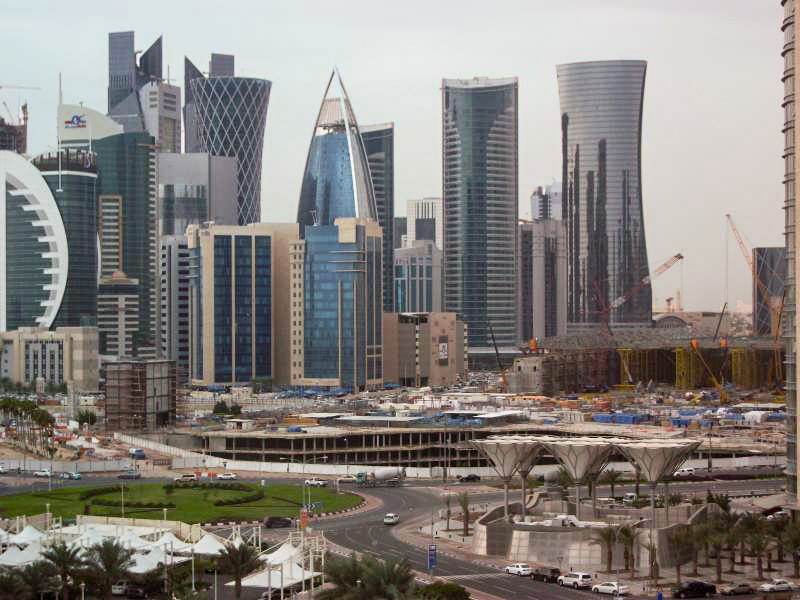
Several international organizations are investigating the plight of over 1,000 migrant laborers in construction camps in Qatar who have opted to strike in response to at least three months without pay.
Amnesty International confirmed they are aware of the situation after workers on sites being developed by a construction company linked to Qatar’s ruling family revealed to WikiTribune that over 1,100 of them are currently without a steady supply of food, water, or electricity.
The laborers, predominantly from India and Nepal, are also in bureaucratic limbo as their right to work is tied to their troubled employer, a situation that could draw scrutiny on the Gulf state’s promise to abolish a tied visa system opponents have said leads to exploitative employment practices.
The workers, some earning around 3,000 riyals ($820) per month, told WikiTribune that they stopped receiving their monthly salaries in January, but they worked through to March after they were assured by construction company HKH they would be paid. During this period, the workers, who live in four camps near the coastal town of Al Khor, were able to use credit to purchase food and supplies in supermarkets in their camps.
After their salaries failed to materialize, the workers went on strike on March 28. Three weeks later, their main supplies of water and electricity were cut off after HKH failed to pay for utility services. They said a lot of their subsistence since then has come from food, water, and cash donations from people in Qatar, and some donations from the Indian embassy and the Red Crescent.
HKH was founded in 1995 and developed into one of the country’s best-known construction companies. According to the company’s website, high-profile construction projects include the headquarters of the state-owned broadcaster Al Jazeera and the Doha Sheraton hotel.
Its founder, Hamad bin Khalid Al Thani, who died in 2012, was a member of the royal family. He was chief of Qatar’s police force and a cousin of Qatar’s former Emir, Hamad bin Khalifa Al Thani.
According to HKH’s website, the company holds an “A” rating in construction – the highest band available under Qatar’s building regulations.
HKH did not respond to phone calls or emails for this story.
More than 500 of the migrant workers are from India, with around 450 from Nepal. Others come from Bangladesh, Sri Lanka, Pakistan, Kenya, and the Philippines.
A driver who has worked for HKH for a decade told WikiTribune the laborers were working on three projects – a 32-floor tower block, a power station, and a complex of 110 villas – when the company stopped paying its staff.
Migrant workers in Qatar
Employment rights and the living conditions for migrant workers in Qatar have been subject to close international scrutiny in recent years, in part due to an extensive infrastructure overhaul in advance of hosting the 2022 World Cup.
Qatar is currently home to around 1.7 million migrant workers, many of whom have been subject to abusive working conditions according to research by Amnesty International and Human Rights Watch.
Qatar responded to criticism last November by announcing commitments to establish a minimum wage for migrant workers. The government also announced it would abolish its heavily criticized visa system, which links a worker’s right to work to its original employment sponsor.
However, Amnesty International said on April 27 that a timetable for abolishing the tied visa system has yet to be been provided. The human rights organization said addressing the vulnerable status of Qatar’s migrant laborers should be a priority for the International Labour Organization (ILO).
The United Nations agency has been working closely with the Qatari government and opened its first project office in Doha on April 30, calling it a “testament to the commitment of the State of Qatar to safeguard workers’ rights.”
Nicholas McGeehan, an expert in labor rights in the gulf, told WikiTribune “if a situation like this can’t be resolved swiftly at this most critical juncture, it does not augur well for the ability of the ILO to convince the Qatari government to process with an effective and wide-ranging reform process.”
The ILO declined to confirm it is involved in resolving the situation in the HKH camps, as the organization does not comment on individual cases.Posted byjackbartonjournalistPosted inUncategorizedLeave a commenton Exclusive: Over 1,000 striking laborers in limbo in Qatar after months without payEditExclusive: Over 1,000 striking laborers in limbo in Qatar after months without pay
‘I thought I was dying’: UK tied visa reform leaves abused workers vulnerable
First published 12th April 2018 on WikiTribune
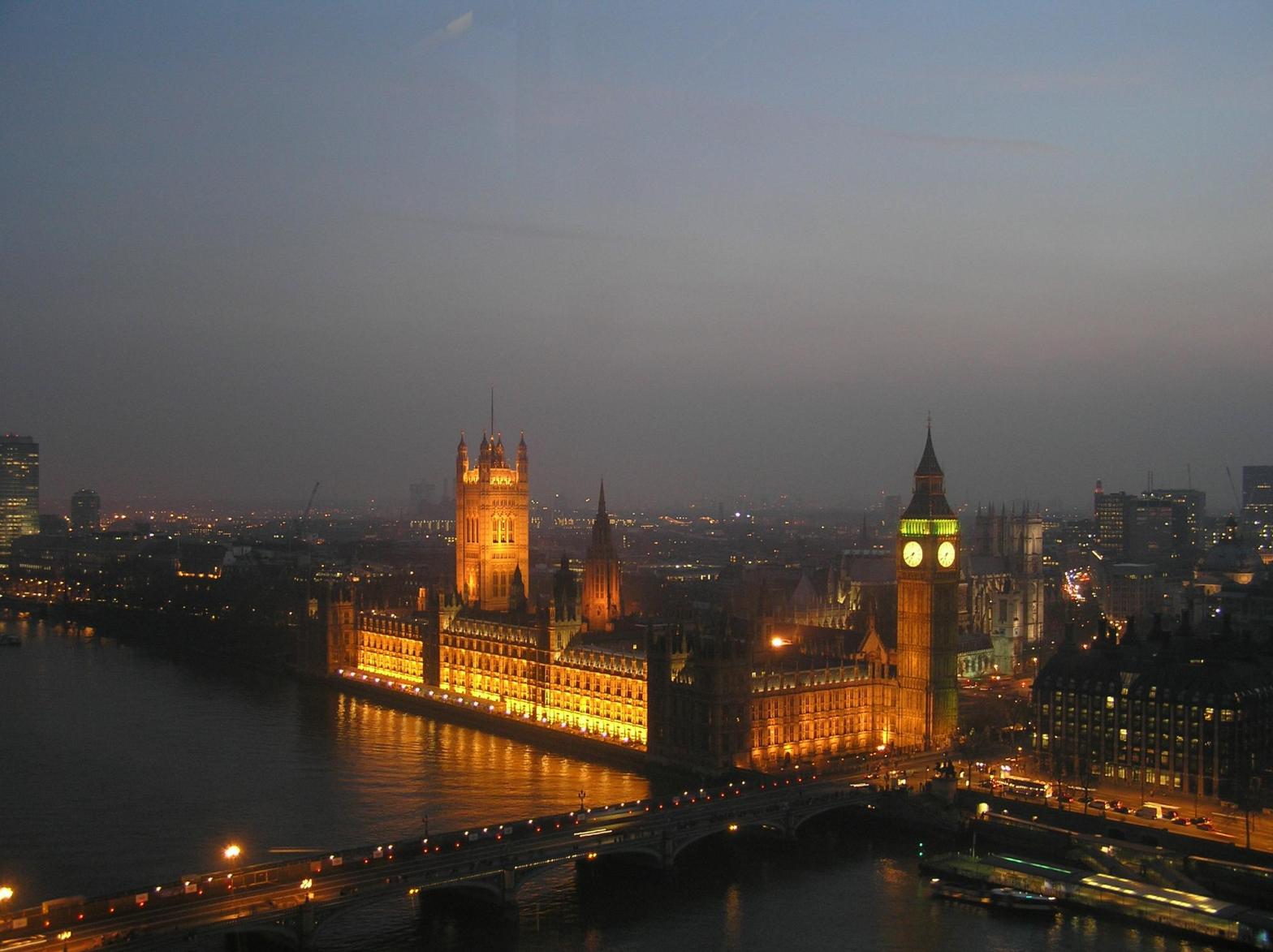
On a fall night in 2016, a small woman hurried along the wide streets of one of West London’s upmarket neighborhoods. Weeks earlier she had left her family 6,000 miles away in a camp for internally displaced people in the Philippines, promising to send them money from her position in the household of a wealthy family in one of the world’s richest cities. That autumn night she felt she was fleeing for her life.
Maria (not her real name) was one of nearly 19,000 people who entered the UK in 2016 on a visa sponsored by a wealthy overseas employer. After a review in 2015 found the system made workers vulnerable to abuse, the government committed to reform. But campaigners say the key features that make workers vulnerable to abuse have been maintained, while other forms of support are being cut.
Advocates told WikiTribune that even after the British government commissioned and published this independent research into the system, it failed to act on its key recommendations, leaving desperate overseas workers vulnerable to abuse, and unable to seek help.
A common journey, that invites exploitation
In summer 2016, Maria left her brothers, sisters, and parents in a camp for people displaced by crisis. She told them she was going to work for a wealthy family in the West and would send them money. Their lives, turned over by conflict, would become better, she hoped. Weeks later she was penniless, without a passport or other documentation, abused and exploited by her employer.
“My situation in London with my employer is very, very terrible,” said Maria, who described long hours, almost no pay, and little food or sleep. “I feel I am dying, I think I can’t survive this, so I go out and walk and walk,” she said.
Through an agency whose name she did not want to mention, Maria was taken from the Philippines to Saudi Arabia where she met a family for whom she was to be a domestic servant, looking after three children and doing household chores. She was soon on board a plane to London. During the flight her employer took her passport and other travel documentation, including a six-month Overseas Domestic Worker visa, issued by the UK Home Office.
Maria lasted a month with her employers, sleeping on the floor of a shared children’s room. After fleeing their house, she sought refuge in a church, where she found other women from the Philippines, who took her to a refuge center.
It is a familiar story for the people who come to Kalayaan, whose website contains stories of overseas domestic workers physically abused by the children they looked after, and sexual and psychological abuse by employers. It is the only organization in the UK that is dedicated to documenting and offering support for people who have suffered abuse while in the country on the Overseas Domestic Worker Visa.
Avril Sharp, a Kalayaan caseworker who has been advising Maria, said her experience chimes with those of most of the people it advises.
“Our clients routinely tell us that they don’t have possession of their passport, that it’s held by their employer for their journey to the UK,” said Sharp. They have no personal space, no bed, and little food. Many have their salaries arbitrarily docked if they are paid at all, she said.
“They are even more vulnerable to being abused because they don’t know how to access help, how to leave an abusive employer,” Sharp said.
Kafala in the UK – legacy of the tied visa
The abuse suffered by overseas domestic workers in Britain is nothing new. The Overseas Domestic Worker Visa is the legacy of the so-called “tied visa” which did not allow workers to change employer. The system was mostly used by wealthy families from the Middle East, and was seen as a continuation of kafala, a form of sponsorship for unskilled migrant workers used in many Gulf countries, which critics say facilitates abusive working conditions.
If they left an abusive employer in the UK, workers on the tied visa effectively became undocumented immigrants, legally unemployable and vulnerable to further abuse.
Kalayaan and groups including Anti-Slavery International campaigned to raise awareness of the abuse suffered by those workers, mainly women. They were the subject of a major report by Human Rights Watch (HRW) in 2014. As a result the government commissioned an independent review by James Ewins, a barrister with a wide practice including experience in tackling modern slavery.
Ewins published his review in December 2015, confirming the findings made by HRW and Kalayaan that the visa system as it stood made domestic workers vulnerable to abuse.
In the report Ewins made three primary recommendations: abolish the “tie” by allowing workers to change employer; give workers more time after leaving their employer to find work than the remainder of their six-month visa; and create mandatory information sessions to ensure newly-arrived domestic workers are made aware of their rights – including the right to leave an abusive employer.
So far, the government has taken one out of three. Domestic workers are now in theory allowed to change employer, though they must find an equivalent role. That reform was almost meaningless without Ewins’s other recommendations, according to advocates.
Domestic workers are not made aware they have the right to leave their employers and those who are aware know that they have only the remainder of their initial six-month visa, often only weeks, to find another employer – often without their documentation.
What the government did, in abolishing the tie, is not enough, Ewins told WikiTribune.
“Has it made a change? I don’t know,” Ewins said, adding that there is a marked lack of data available about the number of people on the visa who suffer abuse. This is partly because people who flee their employers still worry about their legal status – one of the reasons Ewins recommended they be given information meetings.
“I suspect it will not be enough because the basic term of the visa has not been sufficiently extended,” he said.
“Realistically,” said Ewins, “the balance of a six-month visa, upon a change of employer, is not going to give a domestic worker sufficient offer to an alternative employer, they would only be able to stay for a few months,” particularly given their work usually requires looking after children, so requires familiarity and trust.
Kate Roberts, from UK-based charity the Human Trafficking Foundation, said the time restraint on the visa continues to place vulnerable people in a quandary.
“Migrant domestic workers have usually migrated due to poverty and the need to provide for often a significant number of family and extended family members,” said Roberts. “This puts significant pressure on them not to leave even horribly abusive employment unless they know they can find alternative employment.”
Cuts to support make life more difficult for those who escape
As a compromise measure, in 2016 the government said that domestic workers on the visa who could prove a level of coercion, control, and severe abuse by their employer, could apply to be identified as a victim of human trafficking or modern slavery through the National Referral Mechanism (NRM). Victims in the NRM program are given support including temporary safe house accommodation.
If the authorities accept a migrant domestic worker is a victim, they can apply for a visa allowing them to remain in the UK for up to two years as a domestic worker. This application needs to be made within 28 days of receiving a positive decision, and demonstrate that they will be self-sufficient and not reliant on public funds. Advocates argue this will be difficult to establish for those who have been kept waiting on a decision, who have not been allowed to work while in the NRM, and who will be trying to find new employment without references.
In effect, offering access to the NRM as an alternative to changing employer could be counterproductive, said Roberts.
Sometimes, domestic workers effectively “have to wait until their employment deteriorates to the point of modern slavery or trafficking for domestic servitude and then leave, with no guarantee that they will be believed or their situation will reach the threshold,” said Roberts.
In October 2017, the Home Office announced a package of reforms to the NRM, including an expansion of services for child trafficking victims.
However, the reforms almost halved the support allowance for victims of trafficking from £65 ($92) per week, to £37.75 ($53).
According to NGO Focus on Labour Exploitation, this level of maintenance demonstrably puts victims who make it into the NRM at risk of becoming victims of trafficking and abusive work again, as they are likely to take on informal work to get by.
In Kalayaan’s experience, it is “incredibly difficult” for victims of trafficking to survive on the allowance, Sharp said.
“Poverty is seen as a factor for becoming vulnerable to being trafficked, so the government’s current stance on not allowing domestic workers to work while they’re in the NRM is almost placing them back at risk,” said Sharp.
A Home Office spokesperson told WikiTribune that overall funding for the NRM had not been reduced, as the program had been expanded to offer more support to certain victims. No future cuts are currently planned, the person said.
Information is power
Though the Home Office is a “slow machine,” according to Ewins, there is hope that the information meetings will be in place by this summer. But they still will not be compulsory.
Information meetings will be “crucial,” he said. As British authorities currently have no way of identifying victims as they enter the UK, or once they are ensconced in their households, “the much better strategy is to empower and inform victims to self-identify”.
People on the domestic worker visa must be given “as much information, in as friendly and receptive a context as possible,” said Ewins, “to enable them to understand what they should expect, and if they are being used in any way to see that there is a route out.”
Maria, with Kalayaan’s help, is waiting to see if the authorities accept that her experiences with her abusive employer amount to trafficking or modern slavery. She is not allowed to work and says she worries for her family and how they will survive.
The government timeframe for this decision is up to 45 days, though many of Kalayaan’s clients have had to wait much longer. One client waited 617 days before authorities found there were grounds to conclude they had been a victim of trafficking.
Finding Kalayaan may not be enough for Maria in the end. But at least she is now aware of her rights, and what she is waiting for, both for her own situation and the family she left behind.
“I wish the government allows me to work,” she said. “I am not worried about my situation at the moment, [but] my problem is I need to work.”Posted byjackbartonjournalistPosted inUncategorizedLeave a commenton ‘I thought I was dying’: UK tied visa reform leaves abused workers vulnerableEdit‘I thought I was dying’: UK tied visa reform leaves abused workers vulnerable
Mediterranean fatalities soar as aid workers hit out at ‘criminalization’ of rescue efforts
First published 17th July 2018 on WikiTribune
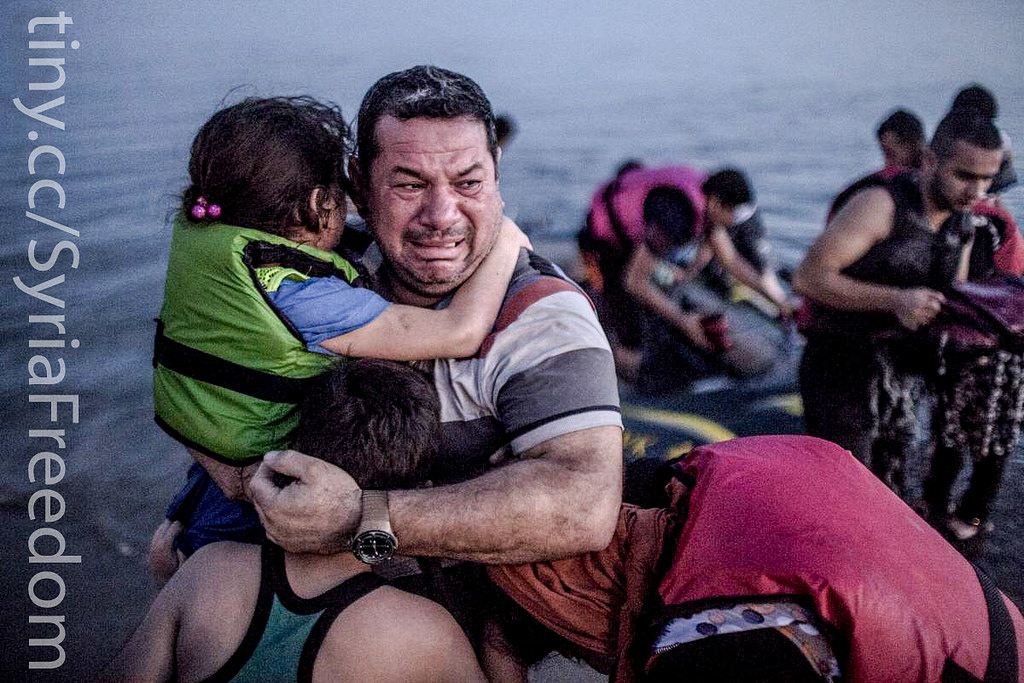
The number of people dying while trying to cross the Mediterranean has soared over the five weeks since European leaders effectively criminalized NGO search and rescue operations, according to Médecins Sans Frontières (MSF).
The leading search and rescue organization said it has not been able to carry out missions since the Italian and Maltese governments closed their ports to its rescue ship, the Aquarius, on June 10.
Since then, more than 600 people have gone missing while crossing the Mediterranean, more than the total number for the rest of 2018 combined, according to data collected by the International Organization for Migration (IOM).
An EU spokesperson said the rise in fatalities was “worrying” but underlined the need to pursue its existing policies on external migration.
Dr David Beversluis, on board the Aquarius, which has been docked in Marseille since leaving Spain, told WikiTribune: “We are concerned that for the last few weeks there really hasn’t been any NGOs working in the rescue zones.”
He said it was “extremely frustrating” to be stuck in port waiting for things to be more clear.
“We would like to be out there doing rescue work, trying to save lives, but instead, with the criminalization of NGOs we’re stuck with little option, unless options are put forward by European leaders.”
In an email, an MSF spokesperson also referred to what they see as the “criminalization” of NGO search and rescue operations.
“That’s referring to things like impounding/investigating NGOs, accusations of people smuggling, being denied entry into ports of safety – all while we operate under maritime law and under the direction of the Maritime Rescue Coordination Centre.”
The Aquarius spent a day in limbo with 629 rescued migrants and refugees on board, including 123 unaccompanied minors, after Italy’s new government denied it entry to their ports as part of a more hardline stance on immigration.
Spain’s new government invited the Aquarius to dock in Valencia on June 11, after Malta also denied the ship permission to dock.
EU leaders met at a summit in Brussels at the end of June and agreed in principle to build “disembarkation platforms.” This was to better process migrants and refugees in “transit” countries outside European borders and to boost support for the Libyan coast guard.
In a statement released on June 29, European Council President Donald Tusk said: “We have sent a clear message to all vessels, including those of NGOs, operating in the Mediterranean, that they must respect the law and must not obstruct the operation of the Libyan Coast Guard.”
The EU has been supporting the Libyan coast guard since June 2016, with an agreement that it will intercept migrants and refugees and return them to North Africa where they are offered assistance to return.
David Beversluis said pushing responsibility onto the Libyan coast guard was not the “appropriate response” from European leaders.
The coast guard itself has received training and monitoring assistance from the EU, but after they intercept migrants and refugees they take them to detention centers.
Here, Beversluis said there was “pretty clear evidence of abuse.”
He repeated concerns that these interceptions did not discourage migrants from attempting the crossing.
“We’ve had some people on board who tell us stories about how [they have been picked up by coast guard and] many months later they’ve been able to come out of detention centres and attempt another crossing.”
In response to WikiTribune’s inquiries, a European Commission spokesperson said the surge in drownings during these past few weeks in the Mediterranean was a “worrying development.”
The spokesperson said the drownings underlined the need to further increase cooperation on search and rescue.
“And questions related to disembarkation and to continue further developing our measures to counter the criminal networks that take advantage of people’s despair.”Posted byjackbartonjournalistPosted inUncategorizedLeave a commenton Mediterranean fatalities soar as aid workers hit out at ‘criminalization’ of rescue effortsEditMediterranean fatalities soar as aid workers hit out at ‘criminalization’ of rescue efforts
EU’s refugee deterrence policies drive ‘suffering out of sight’ say aid workers
First published 29th May 2018 on WikiTribune
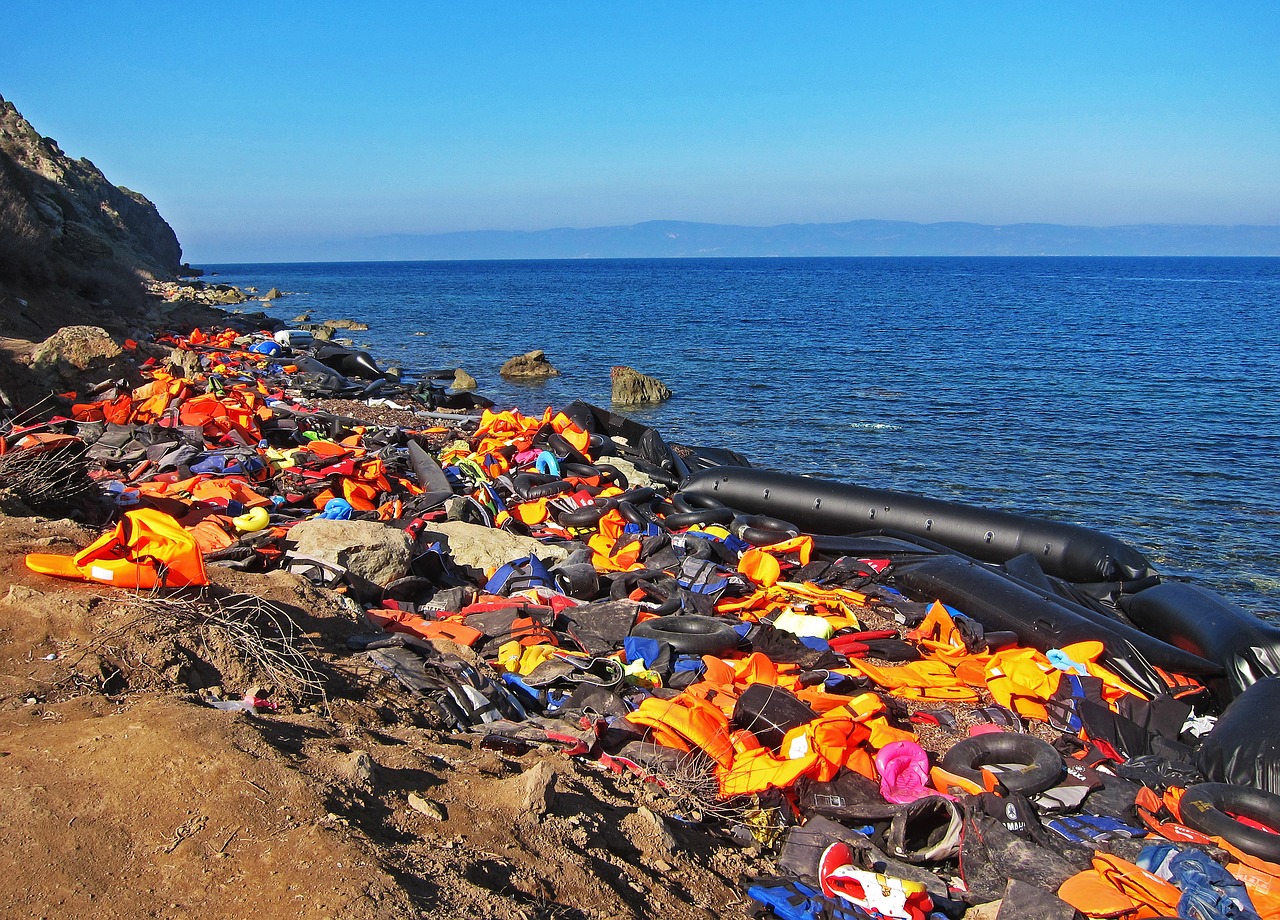
The EU’s support for the Libyan coastguard has helped to dramatically reduce the number of refugees crossing the Mediterranean, achieving its aim. But there is a humanitarian cost. Aid agencies told WikiTribune that this is driving people into more dangerous routes, and contributing to an increased fatality rate.
Figures released by the International Organization for Migration (IOM) on May 29 show that so far this year the total number of attempted crossings in the Mediterranean have more than halved compared to the first five months of 2017.
However, the rate of people dying or going missing rose across the major routes, in part because of a sharp rise in the number of people trying to avoid Libya. According to IOM figures for the first quarter of this year, the number of people who died attempting to cross the Central Mediterranean has increased from one person in every 36 people in 2017, to one in every 28 people in 2018.
“A reduction in the number of people leaving Libyan shores or getting to Europe does not mean a reduction of suffering. The suffering is just out of sight,” Aloys Vimard, Médecins Sans Frontières (MSF) project coordinator on board the Aquarius, told WikiTribune by email.
On June 3, 48 people died off the coast of Tunisia when their boat capsized – aid workers in the Mediterranean told WikiTribune that less well-established routes avoiding Libya carry greater risk, and often put people out of reach of help.
EU support for Libyan coastguard gets results, but at a cost
In June 2016, the EU expanded the mandate of “Operation Sophia”, its program aimed at closing the traditional routes used by refugees to cross the Mediterranean, to include training for the Libyan coastguard. In July 2017, this support for the Libyan coastguard was again expanded.
The EU’s support mainly consists of training for the Libyan navy and coastguard. It includes providing military personnel and equipment from some EU member states and helping to monitor the progress of the Libyan services.
Joel Millman, a spokesperson for the IOM, told WikiTribune the success of the Libyan coastguard had contributed to around 30,000 refugees accepting help to return home after being rescued or detained in Libyan waters.
“There’s a lot of bodies that would have been on their way to Italy without the coastguard and the voluntary return program,” said Millman
But Vimard said the success of the coastguard had merely pushed the suffering of refugees out of sight of Europe, and out of the reach of aid groups.
“The consequence of EU deterrence policies is that people undertake greater risk,” said Vimard. The effectiveness of the EU’s deterrence, via its support for the Libyan coastguard, has created an “interception-detention cycle”, said Vimard, making people desperate to avoid Libya, where they often become the victims of human trafficking and other human rights abuses.
“Many told us that they would rather die than to stay in Libya,” said Vimard.
Due to the situation in Libya, refugees are increasingly trying to make the Mediterranean crossing to Spain, via Morocco and Tunisia, said Faure Atger, head of Migration at the Red Cross’s EU Office. In desperation they were taking more risks in crossing the sea, leading to the higher death rate there, she said.
“We understand that a number of migrants go missing as they attempt to avoid border checks along traditional routes. In our Red Cross Red Crescent experience, migrants face multiple risks that are increasing their vulnerabilities along migratory routes to the EU,” Atger told WikiTribune.
Millman suggested that the increased use of the Eastern route could mean that refugees and those trafficking them had realised this route cut the risk and associated costs of crossing the Sahara.
While the Libyan route has been in use for decades, the Western route to Spain is more dangerous and facilitated by less experienced smugglers, said Millman. The IOM had seen and heard of people using makeshift boats, even surfboards and jet-skis, to carry people across the water to Spain, he said.
Several aid organizations working in the Mediterranean declined to respond to WikiTribune’s queries, saying they do not operate on the Spanish route.
The office administering Operation Sophia did not respond to a request for comment.
An inevitable transit, that needs long-term thinking
The aid workers and advocates WikiTribune contacted agreed that deterrence and containment policies on specific Mediterranean routes are unlikely to prevent people trying to make the crossing in the long-run.
“We meet people that attempted the crossing up to six times,” said Vimard.
The IOM figures for the first quarter of 2018 showed the number of people dying attempting to cross the Central Mediterranean has increased from one person in every 36 people in 2017, to one in every 28 people in 2018, Vimard pointed out.
These figures show that the EU’s deterrence and containment policies “are not aimed at saving lives,” said Vimard.
Millman maintained that the figures showed that progress is being made. “There’s a tendency in the public, with every shipwreck, with every new horrible story, to see it as intractable, but we think the number support us. Loss of life has gone way down,” said Milllman.
“We’re trying to show Europe, and the world, that this can be managed,” he said, adding that addressing the vulnerability of refugees in Libya, or improving their access to legal immigration status in Europe may be among the only ways to effectively prevent the risk of death continuing.
“This transit is inevitable, nothing’s gonna change it so we have to manage it,” he said. “If you ignore it or just see it as a law enforcement issue people are gonna keep dying.”Posted byjackbartonjournalistPosted inUncategorizedLeave a commenton EU’s refugee deterrence policies drive ‘suffering out of sight’ say aid workersEditEU’s refugee deterrence policies drive ‘suffering out of sight’ say aid workers
Exclusive: NSA encryption plan for ‘internet of things’ rejected by international body

First published 20th April 2018 on WikiTribune
An attempt by the U.S. National Security Agency (NSA) to set two types of encryption as global standards suffered a major setback on Tuesday, after online security experts from countries including U.S. allies voted against the plan, for use on the “internet of things.”
A source at an International Organization for Standardization (ISO) meeting of expert delegations in Wuhan, China, told WikiTribune that the U.S. delegation, including NSA officials, refused to provide the standard level of technical information to proceed.
The vote is the latest setback for the NSA’s plan, which was pruned in September after ISO delegates expressed distrust and concerns that the U.S. agency could be promoting encryption technology it knew how to break, rather than the most secure.
(Read our follow-up analysis to this story: “‘Black cloud’ of the NSA ‘looms over’ international encryption.“)
The ISO sets agreed standards for a wide range of products, services, and measurements in almost every industry including technology, manufacturing, food, agriculture, and health. The body has been looking into adopting recommended encryption technology to improve security in devices that make up the “internet of things.” These include household items such as smart speakers, fridges, lighting and heating systems, and wearable technology.
The NSA has been pushing for these encryption tools to get a seal of approval from the ISO so they will become approved by the National Institute for Standards and Technology (NIST), and become standard for all U.S. government departments and related companies, said the source.
Agreeing to adopt ‘Simon’ and ‘Speck’ as standard block cipher algorithms would have made these part of the recommended encryption technology for a huge range of products.
The NSA had originally been promoting a broader range of encryption technologies, but during a three-year dispute behind closed doors, delegates from other countries expressed concern over the NSA’s motives. Several cited information leaked by Edward Snowden, which showed the agency had previously planned to manipulate standards and promote technology it could penetrate, as a source of distrust, according to documents seen by Reuters.
Two delegates told WikiTribune that the opposition to adding these algorithms was led by Dr. Tomer Ashur from KU Leuven University, representing the Belgian delegation and it was supported by a large group of countries.
Israeli delegate Orr Dunkelman told Reuters he did not trust the U.S. designers following the September meetings.
“There are quite a lot of people in NSA who think their job is to subvert standards,” said Dunkelman. “My job is to secure standards.”
The NSA said Simon and Speck were developed to protect U.S. government equipment without requiring a lot of processing power, and firmly believes they are secure.
The NSA has a history (Atlas Obscura) of trying to create “backdoors” in software so it can access data. Documents leaked by Snowden also showed the NSA has made extensive efforts to break encryption tools, and insert vulnerabilities into encryption systems. The Dual EC, a standardized algorithm championed by the NSA, was withdrawn in 2014 due to wide public criticism.
According to WikiTribune’s source, experts in the delegations have clashed over recent weeks and the NSA has not provided the technical detail on the algorithms that is usual for these processes. The U.S. delegation’s refusal to provide a “convincing design rationale is a main concern for many countries,” the source said.
What are Simon and Speck?
Created by the NSA in 2013, Simon and Speck are families of lightweight block ciphers, meaning they’re cryptographic algorithms tailored for low-resource devices, such as limited memory and power. Though both algorithms are versatile in hardware and software, Simon is optimal in hardware while Speck is optimal in software. Detailed information about the Simon and Speck families is compiled by the NSA Cybersecurity in it’s official GitHub repository.
In 2014, Simon and Speck were proposed to be included (IACR paper) in the ISO standard that specifies the requirements for lightweight cryptography and suitable block ciphers. Published 2012, this standard already covers two lightweight block ciphers, Present and Clefia. Furthermore, there are two “Proposed Draft Amendments” recorded without any content information. They might concern the proposed NSA block ciphers.
Another relevant standard specifies the security and privacy aspects of Service Level Agreements (SLA) for cloud services with the “cryptography component” as a central part. According to a notice of Prismacloud, this standard was the theme in Wuhan, April 16-20, where the Working Groups of the responsible SO/IEC JTC 1/SC 27 held their 26th meeting. This meeting is not listed in the ISO meeting calendar.
According to the NSA, the aim of Simon and Speck is to secure applications in constrained, or specialized, environments, largely to prepare for the era of the internet of things. The basic idea is to design algorithms that are flexible and simple enough to be performed just about anywhere.
What is unusual about Simon and Speck is that the NSA had a four-year delay in publishing the ciphers with a security analysis and a description of the design decisions, which are considered mandatory best practices.Posted byjackbartonjournalistPosted inUncategorizedLeave a commenton Exclusive: NSA encryption plan for ‘internet of things’ rejected by international bodyEditExclusive: NSA encryption plan for ‘internet of things’ rejected by international body
Nerve agent attack would be new chapter in Kremlin playbook
First published 9th march 2018 on WikiTribune
After a former Russian double agent and his daughter were targeted by a sophisticated nerve agent attack in the center of a small English town, British politicians including the foreign and defence ministers were quick to draw comparisons with previous incidents blamed on the Kremlin.
While it’s not confirmed Moscow was behind the attempted assassination, a range of experienced observers told WikiTribune the attack fits with the modus operandi of Russian state and affiliates in organized crime but would also suggest a new level of boldness.
The Russia experts explained why suspicion over the poisoning of Sergei and Yulia Skripal fell immediately on President Vladimir Putin’s government, and why the Kremlin might carry out a crime that could so easily be laid at its door. None of the analysts we spoke to thought there was much doubt the attack was carried out by an agent of or with the approval of the Russian state.
Bill Browder and Magnitsky
Bill Browder, the London-based hedge fund manager who considers himself Putin’s biggest enemy, summed up his suspicions: “You have a person deemed to be a traitor to Russia, you have a country whose government authorized extraterritorial killings, you have a president who has said publicly that traitors will be liquidated, you have the use of illegal and totally banned chemical weapons that are only made in government labs.”
In 2006, Alexander Litvinenko took 23 days to die after he was contaminated with the rare radioactive material polonium 210. A decade later, a judge-led inquiry found that the former FSB agent had probably been targeted by the Russian government. Litvinenko had been assisting the British foreign intelligence service MI6. Litvinenko was poisoned in a London hotel with green tea laced with polonium.
Alexander Perepilichnyy collapsed and died while jogging near his English country home in 2012. An inquest hasn’t concluded and reports that a rare poison was in his system have not been confirmed. What is known is that Perepilichnyy passed documents confirming a $230 million Kremlin-linked fraud to the lawyer Sergei Magnitsky, who was employed by Browder, and who died in prison in Russia.
Gangster methods from Russia
Russia’s track record goes beyond these deaths, David Satter, a long-term Moscow foreign correspondent who became the first journalist expelled from Russia under Putin, told WikiTribune.
“They’re taking gangster methods that have long been used in Russia and using them in Britain,” said Satter, explaining that many more political assassinations have been carried out on Russian soil.
John MacLeod, a senior analyst at geopolitical consulting firm Oxford Analytica, said the attack exhibited the “trademark” sophistication of the Russian state.
In 2017, after a two-year investigation, BuzzFeed News reported on the details of the deaths of 14 people in the UK with links to Russian businessmen and government figures. The deaths had been identified as linked by U.S. intelligence, though this information was ignored by UK police, according to BuzzFeed. British politicians this week woke to the BuzzFeed report and called for an inquiry.
“Putin is scared of getting in trouble for what he does, but if there are no consequences there’s no trouble for him,” said Browder, who bemoaned Britain’s “complete failure to create any type of consequence for murders in the UK.”
‘Such an extraordinary thing requires extraordinary approval’ – John MacLeod
Edward Lucas, a former editor at The Economist, now at international think tank the Center for European Policy Analysis, said Russia’s track record made him wary of jumping to conclusions.
“Killing anybody is bad but there are ‘rules to the game’ if you like,” said Lucas. “Killing defectors was certainly done in the cold war, but Skripal wasn’t a defector. Litvinenko was helping MI6 a lot, Periplichnyy was a major whistleblower, so in a way [those assassinations were] within the rules.” An attack on Skripal and his daughter appears more reckless, and so far unexplained, said Lucas.
Lucas suggested that if the attack on Skripal could be considered a new level of aggression this was in line with a bolder approach from Russia.
In many ways, this attack “typifies the Kremlin’s approach to ‘next generation’ warfare, where Russia challenges the West and defies it to respond, which it does not,” said Lucas, citing Russian interference in Western elections as a comparable example.
An attack on Skripal by the Kremlin would constitute a particularly pointed example of this type of challenge, said Lucas. “[UK Prime Minister] Theresa May made a speech in November saying ‘we know what you’re up to,’ but this shows perhaps we don’t.”
Litvinenko killed with radioactive polonium
Similarly, MacLeod said the attack on Skripal had significant differences to that on Litvinenko. “The Litvinenko killing was pretty audacious [at the time],” said MacLeod. “This comes in the context of more audacious and unpredictable actions [by Putin],” he said, citing Moscow’s unexpected intervention in Syria as an example.
Russia’s track record for this type of attack and behavior on the international stage have drawn the finger of blame inexorably toward the Kremlin. MacLeod told WikiTribune that with the presidential election later this month, it would be dangerous for a security official to approve the attack without the go ahead from a senior government official.
“Such an extraordinary thing to do would require extraordinary approval,” said MacLeod. Why the Kremlin would approve such a step, was a more baffling question.
Putin sends a message loud and clear
Arch Puddington, of U.S. think tank Freedom House, told WikiTribune that the Skripal incident must be seen in the context of Russia’s looming election, where Putin was widely anticipated to win a fourth presidential term.
“In Putin’s campaign speech [on March 1] he bragged about very sinister and new highly sophisticated weapons Russia is developing or is supposed to have developed,” said Puddington. “The part of his speech devoted to international affairs was very menacing … this is all of a part.”
More widely, said Puddington, the Kremlin is speaking to the community of Russian former intelligence agents and other officials now living in the West. “It’s a message to them that they are in the crosshairs of Russian intelligence and can be eliminated if deemed to be cooperating with the UK or U.S., or the West generally.”
‘The message was we’re gonna liquidate you and your entire family’ – Bill Browder.
Putin’s government has grown increasingly corrupt and lawless, making it feel more vulnerable and keen to demonstrate its defiance of the West, said Satter, whose latest book The Less You Know, the Better You Sleep accuses Putin of complicity in mass murder.
“The psychology that mass propaganda has helped to engender in Russia is one in which this type of assertiveness actually plays very well,” he said.
Browder, who considers himself to be constantly in the crosshairs of the Russian state, has successfully campaigned for the creation of the targeted U.S. Magnitsky sanctions, which hammer the financial flows of Putin’s allies. He told WikiTribune the attack on Skripal is indicative of how Putin holds power.
“This is not a statement to us,” Browder said. “Putin’s main audience is the officials that work for him – security and law enforcement. He used to be able to pay for their loyalty, but now there’s not the money flowing around so the only way he can keep their loyalty is terror and fear.”
“The message was we’re gonna liquidate you and your entire family,” said Browder.Posted byjackbartonjournalistPosted inUncategorizedLeave a commenton Nerve agent attack would be new chapter in Kremlin playbookEditNerve agent attack would be new chapter in Kremlin playbook
Difficulty verifying chemical attack amplified by pro-Assad misinformation
First published 17th April 2018 on WikiTribune
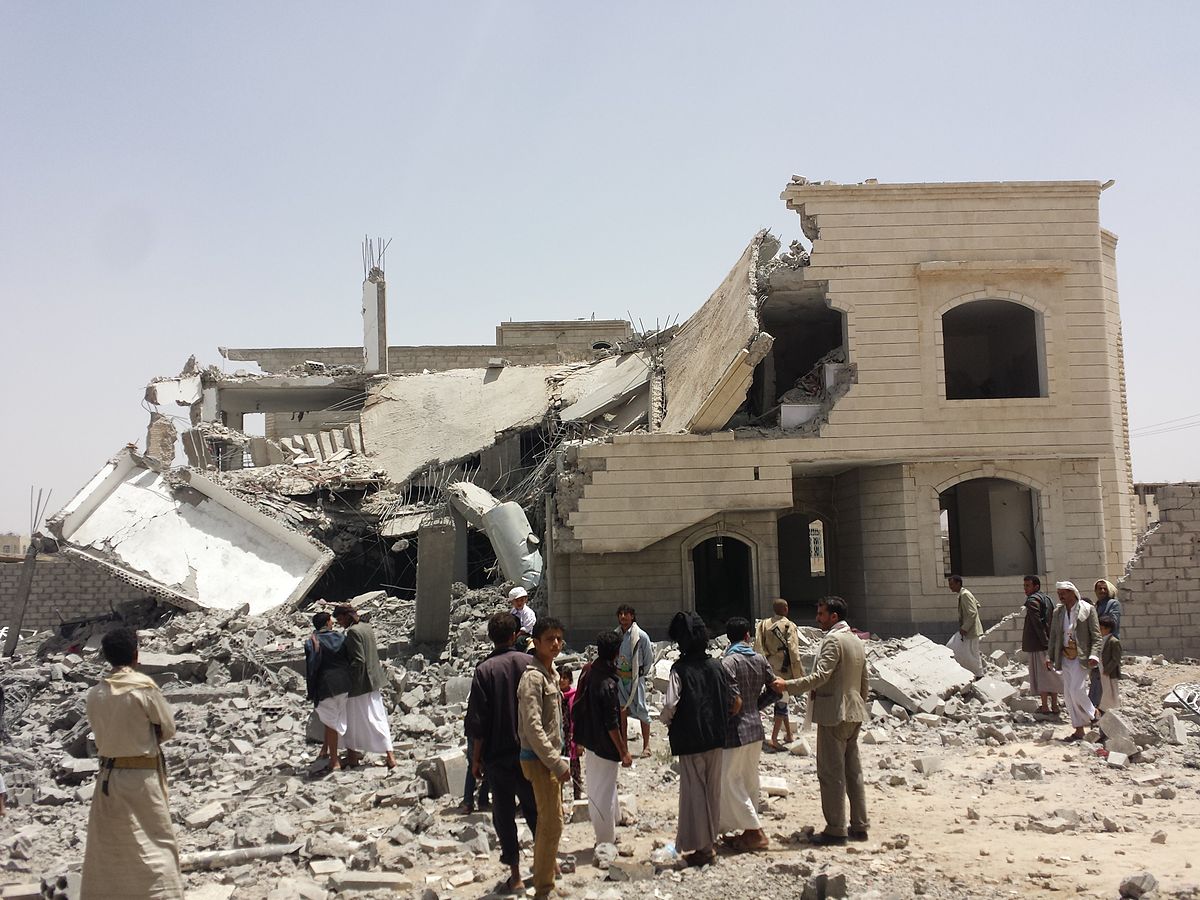
Since the alleged chemical weapons attack on the rebel-held town of Douma in Syria on April 7 which provoked military action by the United States, France, and Britain multiple theories and narratives have been spread to cast doubt over the entire affair, whether it happened if it did who did it, and more scenarios.
Experts who make it their business to try to independently verify such landmark military events say it has been a challenge to corroborate reports. That uncertainty and the difficulty of obtaining clear data in a war zone have been exploited and misinformation amplified by media and politicians who support the Bashar al-Assad government and have a long record of effective media manipulation.
The western powers used a humanitarian justification for the military action for which they did not seek United Nations Security Council approval — knowing it would be vetoed by Syrian ally, Russia. The attacks targeted suspected chemical weapons stocks and facilities apparently retained after Russia was supposed to have supervised the destruction of all chemical weapons in 2013.
Specialists in disinformation, including those who run independent fact-checking and verification projects, such as EUvsDisinfo have compared the attempts to obfuscate what happened in the original attack on Douma to elaborate schemes to cloud what happened to former Russian agent Sergei Skripal.
Britain accuses Russia of being behind or creating the conditions for his attempted murder with a nerve agent. Official, quasi-official and sympathetic Russian media and social media accounts have attempted to sow doubt on the British story suggesting everything from food poisoning to a “false flag” attack by Britain itself.
In the Douma attack Russian state-backed media including RT, Sputnik, and TASS, have promoted alternative theories. Officials have either denied it took place, said it was staged or said it was perpetrated by allies of Syria’s rebels. Some even suggested Britain had done it to discredit Russia and Syria.
The spreading of extraordinary counter-theories coincided with more measured critics who condemned UK Prime Minister Theresa May, U.S. President Donald J. Trump (Vox), and French President Emmanuel Macron (Sky) for acting before it had been proven that a chemical attack took place. Inspectors from the UN-backed Organization for the Prohibition of Chemical Weapons (OPCW) have yet to arrive at the sites of the attacks and their arrival this week follows days of known Russian military activity at the site.
Reports from witnesses on the ground as well as open-source analysis by independent groups which have a solid record throughout the seven-year conflict in Syria have backed the initial claims that chemical weapons were used against civilians holed up in tunnels and buildings in a rebel-held area. The affair only reinforces the difficulty of accurately assessing what goes on in a war zone where independent observers — such as western reporters — have been unable to get independent access for some years.
That has left the door open for theories to be spread by pro-Assad factors and also by those who have a political viewpoint that any western intervention is almost by definition bad.
This is an attempt to assemble some of the different narratives on the attack and the justification for the western military action without giving credence to some of the wilder theories:
What they’ve said
- France’s Emmanuel Macron said his government has proof chemical weapons were used. France released a report into the attack, finding “with a high degree of confidence that the Syrian regime holds responsibility.”
- Russia has said it has evidence that Britain was involved in arranging a “provocation” in Douma. Its embassy in the UK, along with Foreign Minister Sergei Lavrov, argued the entire attack was staged.
- Russia’s ambassador to the UN Vassily Nebenzia urged the OPCW to establish the truth. The OPCW said on April 16 that Russian and Syrian security forces had not allowed the investigators access to the site of the alleged attack.
- The OPCW has concluded multiple times that the Syrian government used chemical weapons, including in April 2017, when more than 80 people were killed in a rebel-held town.
Sources on the ground
- The Syrian American Medical Society, a Washington DC-based NGO set up by Syrian-Americans that provides medical relief in several parts of Syria, said it has documented 43 casualties with symptoms consistent with the effects of chlorine poisoning in Douma.
- The Violations Documentation Centre in Syria (VDCS), carried testimonies from doctors who said they had also witnessed the symptoms. (The VDCS is registered in Switzerland but was originally part of a Syrian media NGO shut down by the government. It is a partner of the Open Society Foundations, funded by Hungarian philanthropist George Soros, and the Swiss government.)
- Robert Fisk, a long-term Middle East correspondent for UK newspaper the Independent, is one of the few Western journalists to visit the site. In an article on April 16 he conducted an interview which appeared to cast doubt on whether the attack had actually featured chlorine, but said the doctor he spoke to who raised doubts was not an eyewitness.
- The World Health Organization has said its partners on the ground treated 500 patients “exhibiting signs and symptoms consistent with exposure to toxic chemicals.”
Open-source investigation site Bellingcat — which has a strong track record of getting to the bottom of attacks in Syria and in Ukraine — reported on April 11 that verified video footage showed gas cylinders of a type used in previous chlorine attacks had been used. Bellingcat identified 34 “unique” bodies in verified videos of the aftermath of the attack. The Bellingcat analysis also confirmed two helicopters, similar to those used to drop barrel bombs, flew near the sites at the time.
A long-running war within a war
The Syrian civil war has become “as much a propaganda battle and a presentation as it is a political battle and a military conflict,” Scott Lucas, a middle east commentator who runs news and analysis site EA Worldview, told WikiTribune.
The propaganda and misinformation in Syria “sharpened” with the 2013 Sarin attacks which were also in the eastern Ghouta area of Damascus, said Lucas, who has been collating and corroborating reports from Syria since the war started in 2011. The Sarin attack was a “test case for the Russians in terms of how they could cause confusion,” he said.
Due to the dangers of reporting in Syria, Western media have had restricted access to the country (Committee to Protect Journalists). Lucas said that makes it particularly necessary to corroborate reports from within Syria.
“There are always ‘fog of war’ incidents that take place,” he said, explaining that reports from citizen journalists sometimes are found to exaggerate numbers of tragedies or include other inaccuracies.
The criticisms are not part of an effort to improve the veracity of reporting though, said Lucas.
“When you go after the White Helmets or you go after doctors or you go after citizen journalists, this is an attempt to rule out any sources that are incompatible with the pro-Assad Russian authorities,” he said.
Going after the White Helmets
Lucas said the obfuscation about the Douma attack has gained more traction than the alternative narratives about the Skripal poisoning, particularly online, with Western readers. This is based on the long-term propaganda campaign against different groups supported by the West, he said.
The Syria Civil Defence, also known as the White Helmets, is a volunteer organization providing medical assistance in rebel-held areas. Russia’s foreign ministry and state-backed outlets including TASS accused them of staging the alleged chemical attack in Douma.
They are frequently accused of being jihadists with links to Al Qaeda, or stooges of the U.S. or other Western governments.
In May 2015, the White Helmets issued a statement after some of their members were videoed at the site of an execution. The White Helmets said their members had been at the site as one of their roles is to bury the dead but the video has been used to attack them as extremists (Syrian state news agency Sana). Similarly, a video of some of their members taking part in the viral “mannequin challenge” trend was cited as proof they stage attacks.
Critics say they are given carte blanche by Western media, due to their links to Western governments (Salon), including receiving funding from the U.S. aid agency USAID and the UK Foreign Office (UK government, response to a freedom of information request).
Lucas said he and many colleagues use reports from the White Helmets, which they are often able to verify from other sources on the ground.
“The [anti-]White Helmets campaign has a resonance on social media, just because it’s been going on for so long,” said Lucas. “Ever since the White Helmets came in as a rescue organization in 2013, to delegitimize them.”
Undermining the White Helmets fits with the Syrian government’s attacks on hospitals, to send a message to the population that if they help the rebels there will be no defense, said Lucas.
Amplified by the blogosphere
The European Union-backed fact-checking site EUvsDisinfo has found that none of the accusations against the White Helmets are corroborated, and fit with a pattern of Russian disinformation tactics.
Analysts at the Digital Forensic Research Lab, an offshoot of Washington DC think tank Atlantic Council, have analysed how various unsubstantiated theories and assertions about the White Helmets, and their “staging” of the Douma attack, were carried by Russian and Syrian media, which then re-reported each other’s reporting to spread confusion and uncertainty.
In Douma, pro-Assad media have been backed up by Western bloggers and academics who are skeptical of mainstream media, and the motives of the U.S., French, and UK governments.
The site 21stCenturyWire, founded by a former editor of InfoWars, which carries conspiracy theories about subjects such as the Sandy Hook shooting, has repeatedly reported that the White Helmets are linked to Al Qaeda. The site has also published conspiracy theories about 9/11.
A group of academics, labeled “apologists for Assad” by the Times formed a Working Group on Syria, Propaganda and Media. The group has not cast doubt on any specific report from Syria, but says there is “an urgent need for rigorous academic analysis of media reporting of this war, the role that propaganda has played in terms of shaping perceptions of the conflict.”
The group has so far only published one piece of work, outlining doubts over the UK’s stance that novichok – the nerve agent used against former Russian spy Sergei Skripal – probably originated in Russia. Having appeared to give credibility to Russian doubts about the Western narrative on Syria, the academics immediately felt the need to give credibility to Russian disinformation in Salisbury, said Lucas.
The reports from Russian and Syrian officials and media are unsupported, but are a logical next step after reports of a chemical weapons attack, said Lucas.
“There had to be disinformation spread after this [attack] to prevent the type of international response the Russians don’t want,” he said.Posted byjackbartonjournalistPosted inUncategorizedLeave a commenton Difficulty verifying chemical attack amplified by pro-Assad misinformationEditDifficulty verifying chemical attack amplified by pro-Assad misinformation
Spotlight on Russian ties to British establishment as sanctions bite
First published 11th April 2018, on WikiTribune
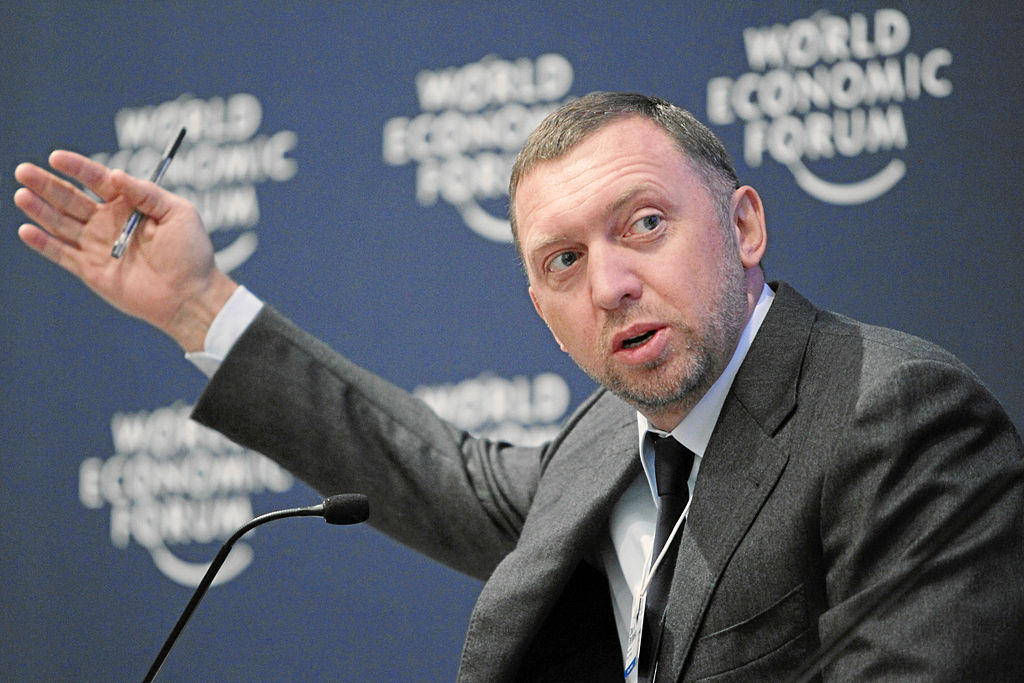
Russian aluminum tycoon Oleg Deripaska is one of the individuals most heavily affected by the recently announced U.S. sanctions on Russian business interests. A high-profile ally of Russian President Vladimir Putin, with links to the British political class, Deripaska is part of what anti-corruption activists say is an unhealthy relationship between political interests in London and Moscow.
A meeting on the Greek island of Corfu attended by two high-ranking members from either side of the UK political establishment caused a political scandal in 2008. Peter Mandelson, a Labour party peer (a member of the House of Lords) and then-Business Secretary, and then-shadow Chancellor George Osborne met on a luxury yacht.
Mandelson was later accused of using the trip to undermine Prime Minister Gordon Brown and offer favors to the yacht’s owner. Osborne was accused of trying to solicit donations from the owner. Both denied the accusations vigorously but said they had met the owner several times previously. The yacht belonged to Deripaska.
Now, Deripaska is reportedly the worst hit of members of Putin’s inner circle placed under sanctions by the U.S. Treasury Department on April 6. The measures were announced as part of the ongoing political crisis sparked by an attack on a former spy and his daughter in an English city. The United States said it was acting to counter a “range of malign activity around the globe,” including undermining elections and assisting the Syrian government.
“Russian oligarchs and elites who profit from this corrupt system will no longer be insulated from the consequences of their government’s destabilizing activities,” said the statement.
According to Bloomberg‘s billionaire’s index, Deripaska’s net worth fell from nearly $8 billion to just over $5 billion in a few days after the announcement.
In announcing the sanctions, the Treasury Department said Deripaska “has been investigated for money laundering, and has been accused of threatening the lives of business rivals, illegally wiretapping a government official, and taking part in extortion and racketeering. There are also allegations that Deripaska bribed a government official, ordered the murder of a businessman and had links to a Russian organized crime group.”
Anti-corruption activists see web of Russian influence
The Anti-Corruption Foundation, a Russian investigative group headed by Alexei Navalny, the most high-profile Russian opposition leader, has accusedDeripaska of corruption. They told the UK’s Serious Fraud Office Deripaska’s accommodation (on a luxury yacht) of Russia’s Deputy Prime Minister Sergey Prikhofko may have breached anti-bribery laws.
Vladimir Ashurkov, who works for the Anti-Corruption Foundation from London, where he sought political asylum in 2014, told WikiTribune the legislation to tackle the flow of illicit Russian money in London already exists, but law enforcement agencies have been too under-resourced to enforce it.
Ashurkov thinks Russian oligarchs such as Deripaska “influence the political establishment for the purpose of the British authorities turning a blind eye to the flow of corrupt money from Russia.”
“It’s all in the political will,” said Ashurkov. “For years our organization has been bringing cases of corruption to the attention of the authorities and we never got any response or traction.”
“The size of this influence is difficult to measure but I’m sure such effect is taking place,” said Ashurkov, who suggested that much of this influence is indirect, such as through investment.
Deripaska’s links to British politicians are well publicized. EN+, Deripaska’s main company, was one of the companies sanctioned by the U.S. Treasury last week, along with subsidiary Rusal.
Conservative peer Lord Barker was named chairman of EN+ October 2017, shortly before it floated on the London Stock Exchange. Unnamed sources told the Financial Times Barker is not prepared to step down following the sanctions.
Deripaska also still has links to Mandelson, whose PR firm Global Counsel was retained by EN+ (FT, may be behind a paywall).
Global Counsel and Barker did not respond to inquiries.
Deripaska is not alone in connecting with the UK parliament’s upper house. Among the other connections, cross-bench peer Lord Sidelsky is a non-executive director of oil company Russneft, and Lord Myners is a director of telecoms group OJSC MegaFon, which is owned by the oligarch Alisher Usmanov, a major shareholder in London’s Arsenal Football Club.
Analysts expect UK to stay in line with Washington
A Kremlin spokesperson responded to the volatility of the financial markets on Monday, saying it was “emotional fallout” from the sanctions announcement, and the market would correct itself.
Other market observers are less confident, particularly since the U.S. government warned there will be “consequences” for British banks helping the listed entities in a way that undermines the sanctions.
Per Hammarlund, a strategist at Swiss private bank SEB Group, told WikiTribune the full implications of the sanctions are not yet clear.
“I expect the UK, Germany, and France to abide by and assist U.S. efforts to enforce the sanctions,” said Hammarlund.
Due to the size of the entities under sanctions, Hammarlund warned that smaller bankruptcies could be seen when financing for non-essential subsidiaries dries up, “the cost of which may have to be borne by the local government or banks.”
 Jack Barton